cupping benefits for cellulite Can Help You at Home
Are you bothered by the loose, dimpled skin of your thighs or hips? Well, if this is the case, lets review the cupping benefits for cellulite. It's a common skin condition that around 80% to 90% of women experience after puberty or pregnancy. On the other hand, only less than 10% of men have it.
You can either shy away, cover it or embrace it. You can love your skin as it is and, at the same time, should not be ashamed to change it if you want to. It's all upon you. Even though it's a natural skin condition and rarely any workout gimmicks can improve it, at-home treatments could offer some relief.
Cupping for cellulite works like magic. Vacuum therapy creates suction on the flesh and sucks toxicity, increases blood circulation, and drains fluids from your body.
Cupping and Cellulite Machines
An ancient therapy that involves putting special hot cups on the skin to create air suction. The suction breaks stagnation and lets your blood and energy flow, resolving tissues in deep fascia and other muscle layers. It facilitates the healing of tissues. The origin of the practices goes back to 3000 BCE. Though it was first mentioned in Eber's papyrus in 1550 B.C., it's an ancient healing practice of many cultures, including Tibetan, Chinese, Unani, and Korean.
Cupping and cellulite machine are often discussed together in the context of alternative treatments for treatment reductions.
Increased Circulation: At home therapy is thought to improve blood circulation in the targeted area. Better circulation may help reduce fluid retention and promote the removal of toxins and metabolic waste products, which proponents suggest could contribute to reduction.
Breakdown of Fat Deposits: Some proponents claim that cupping therapy can break down fat deposits and stimulate the lymphatic system, which could potentially help.
Relaxation and Stress Reduction: Use for relaxation and stress reduction. Stress may contribute to the development through various mechanisms, including hormonal changes that affect fat storage.
Improved Skin Tone and Texture: Therapy may promote collagen production and improve skin tone and texture, which could potentially help make less noticeable.
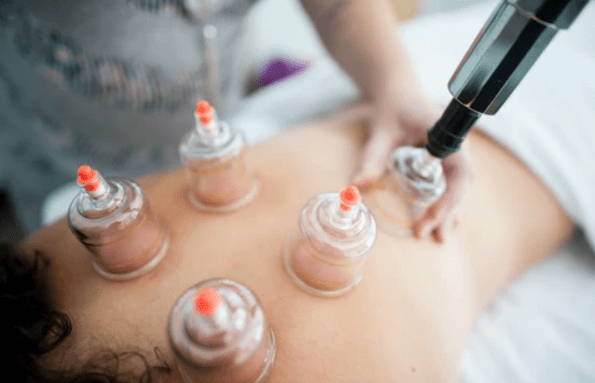
The practitioners of traditional practice believe that it creates the flow of "qi" in your body. Qi means life force in Chinese. They also state that the technique help balances yin and yang, the negative and positive, in the human body.
The cups used in the technique can be the following:
- Glass
- Silicone
- Bamboo
- Earthenware
The two types:
1. Traditional:
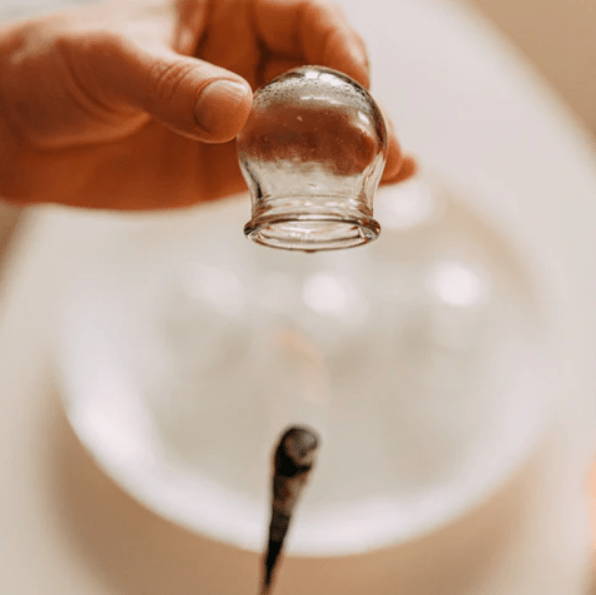
- Dry
- Wet
2. Modern:
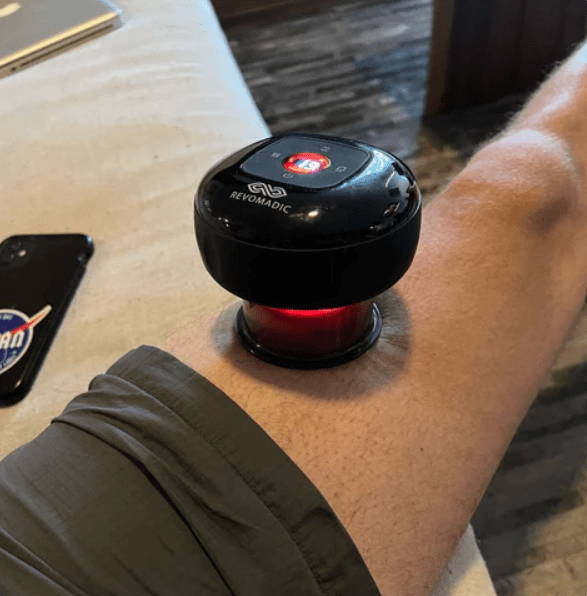
- Electric & technology
- Placing heated cups on your body to eliminate air or oxygen from the cup and form suction inside.
- Rubbing or moving cups in ways to generate suction (dry)
- Creating tiny cuts on your skin to let the blood flow into the cup. (Wet)
Does Cupping Work for Cellulite?
As you already know, ancient therapy increases blood circulation in cupped areas, resolves tissues, and creates new blood vessels and connective tissues. However, the research material around does cupping work for cellulite is iffy.
In a group research in 2015, the researchers studied 40 females and found that dry cup therapy can decrease the grade if applied ten times on each thigh for five weeks straight. Well, the answer is yes. However, it may not be possible for everyone to schedule these therapies so many times. That's where the at home treatments comes into the picture.
Thanks to modern technology, now, you can use electronics or silicon cups to massage your body and eliminate. You no more need to schedule an appointment, go to a therapist and invest hours in the cupping process.
Other Advantages of Cupping for Cellulite
Cupping for cellulite sessions are not only to soothe skin. There are many more advantages of this ancient technique.
According to the British Society, treatments can also help:
- High blood pressure
- Blood disorders like hemophilia and anemia
- Gynecological disorders
- Acne
- Migraines
- Depression and anxiety
- Varicose veins
- Asthma
Studies show that cupping can work excellently with similar other treatments like acupuncture.
Cupping is safe apart from the burns, bruises, and mild discomfort you feel after the treatment. If you use cellulite cupping therapy at home, sterilize it correctly to avoid skin infection. Professionals take care of these details while treating you. Yet, we recommend doing a background check before you schedule an appointment.
Can You Do Cupping Therapy At Home?
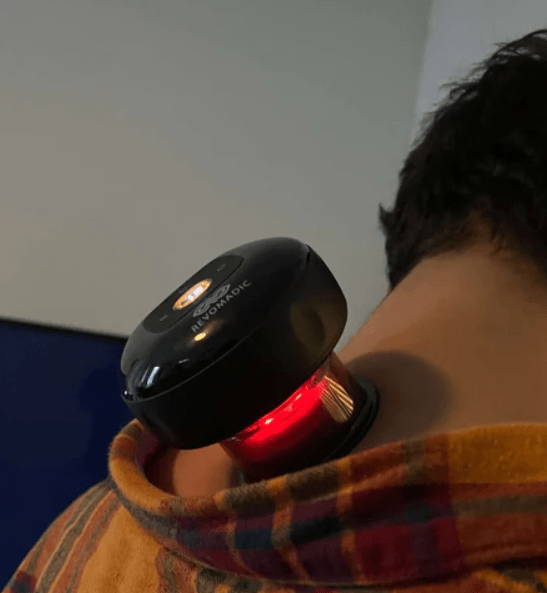
If you are a do-it-yourself person, you can do cupping therapy at home with cupping supplies available on online sites. Even many drugstores keep cupping tools handy. We suggest buying an at-home machine if you are a beginner. The specialized kit is only for treating cellulite and is the quick and safe option. These cups can be of silicone or glass.
What are Some Cupping Procedure for Cellulite?
Cupping Procedure for cellulite is easier than ever before. All you have to do is follow the instruction on the machine label, turn it on, and place it on cellulite skin. When you get an electric cupping machine, it may have options for intensity levels of suction, pressure and heating. These machines are self-applicable, multifunctional, adjustable and easy to use.
The detailed procedure depends on the product and therapy you choose. You can set a time on the cupping machine and place it on the cellulite. Once the session is over, remove it gently, and that's it! Isn't it just easy?
What To Do After Cupping Therapy for Cellulite?
1. Keep Yourself Hydrated
Water helps to flush your lymphatic system and eliminate cellular and other waste in your body. Drinking water may help remove the waste released after cuppy therapy.
2. Cover The Cupped Areas
Try to stay warm and cover the areas.
3. Relax
Some people may feel tired or get flu-like symptoms after the therapy. Even though there is nothing to worry about, we suggest taking a rest so your system can throw the waste out.
Takeaway
These at home treaments provide all kinds of benefits, like treating varicose veins, migraines, anxiety, skin issues like acne or eczema, and whatnot. It's the best investment you will ever make for yourself.
Plus, the best thing is you don't have to worry about finding the perfect cupping machine, as you have already found us! Revomadic has designed an easy-to-use, effective, and handy cupper. It's a modernized therapy combined with mechanisms like adjustable suctioning, targeted heating, and red light therapy. Give it a try now. Believe us; you won't regret it!